


People keep looking up details about The 100 cast, grounders for a simple reason. Those characters added a rough, unpredictable energy to the show. Many viewers remember the political tension between Sky People and Grounder clans more than anything else. The actors behind those roles quietly carried much of that intensity.
The 100-show cast included performers from different countries and acting backgrounds. Some were already known faces on television, while others became recognizable after the series aired. That mix gave the show an uneven but interesting acting style. Some characters felt raw and serious, others surprisingly emotional in short scenes.
ain Actors Who Played Key Grounder Characters
A few Grounder characters stayed central throughout the storyline, and their actors became closely associated with the show’s identity. One name people immediately recall is the actor who played Lexa. Her performance shaped how viewers understood Grounder leadership and loyalty.
Another memorable figure came from the commander circle of the clans. The way these actors handled quiet dialogue, tense negotiations, and sudden violence made the culture believable. The 100-show cast managed to show different personalities inside the same tribal system. Some characters felt disciplined and calm, while others clearly acted from anger or survival instinct.
The Structure Behind Grounder Casting Decisions
Casting directors did not randomly select actors for Grounder roles. Physical presence, voice tone, and body language mattered a lot for those parts. Many actors chosen for the 100 cast grounders could communicate intensity even without many lines.
The production team also focused on diversity while building the Grounder world. Viewers saw performers with different accents and cultural backgrounds sharing scenes naturally. That helped the fictional clans feel larger than the limited screen time allowed. The 100-show cast, therefore, looked more like a world population rather than a single television ensemble.
Grounder Culture Influenced How Actors Performed
Actors who played Grounders often had to adjust their performance style. Dialogue patterns were slightly different because the fictional language influenced speech rhythm. Some actors are trained to pronounce Trigedasleng phrases correctly before filming scenes.
The 100 cast grounders also relied heavily on body posture during confrontations. Grounder leaders rarely appeared nervous in front of enemies. Performers, therefore, used slower movements and controlled facial expressions to show authority. Those small acting decisions helped audiences understand status differences between commanders, warriors, and clan members.
Costume and Makeup Changed Actor Presence
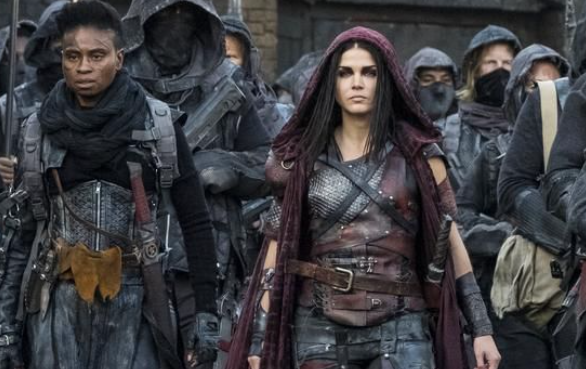
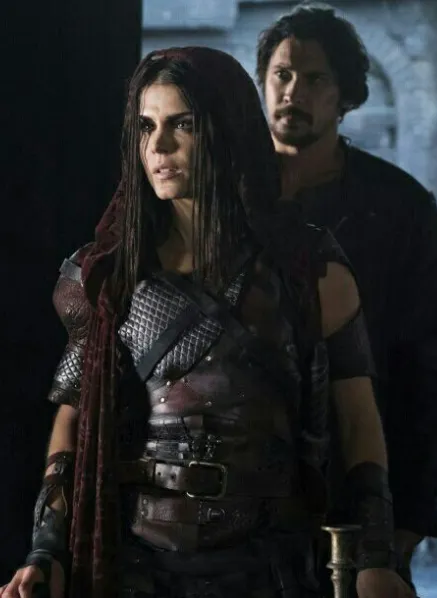
Another detail that shaped the 100 show cast appearance was the heavy costume design. Grounder clothing included layered armor pieces, textured fabrics, and symbolic paint marks. Actors needed patience during preparation because makeup sessions often lasted several hours.
The visual transformation made performers almost unrecognizable compared to their normal appearance. That helped audiences accept them as warriors rather than television actors. When viewers discuss the 100 cast grounders, they often remember distinctive face markings or war paint before recalling the actor’s real name.
Secondary Grounder Characters Added Depth
Not every Grounder character appeared in many episodes, but supporting roles still mattered. These mini appearances constructed an impression of a larger society that had its rules. There were some actors who had a few short appearances but managed to make a strong impression.
Online members of the 100-show casting played small Grounder warriors and often had little to say. Their acting relied on more reaction shots and presence in battle scenes. Through this method, the series can continue to create tension whenever the central plot of the show is directed toward other characters.
Training and Preparation Behind Grounder Fight Scenes
Action scenes involving Grounders required special preparation from actors. Many members of the 100 cast grounders trained with stunt coordinators before filming began. Sword fighting, knife combat, and choreographed movements had to look convincing without risking injury.
Actors also practiced how to move in armor and layered clothing. These costumes could restrict normal movement during combat scenes. Because of that limitation, the 100-cast worked closely with stunt doubles and coordinators to maintain realistic movement during battles.
How Fan Interest Keeps the Cast Relevant
Still, after years of the series’ completion, the fans can relish updates regarding the 100-show cast. Those actors maintain contact with the viewers through conventions, interviews, and posts made on social media. Others stopped to venture into other televised ventures, and others acted in films or theatrical performances.
Grounder characters remain especially popular among viewers who enjoyed the political conflicts in the storyline. Discussions about the 100 cast grounders often focus on leadership struggles, clan alliances, and the complicated morality those characters represented.
The Practical Legacy of The 100 Cast
From a television production perspective, the 100-show cast demonstrated how supporting cultures can strengthen a science fiction series. Grounder characters were not simply background enemies. They had structure, leadership traditions, and moral codes visible through acting choices.
The 100 cast members thus became incorporated into the storytelling machine rather than decorative actors. The choice of the casting, the costume design, and the preparation of actors all contributed to that impact. Even those viewers who were paying attention to the protagonists were inclined to recall Grounder characters even after watching the show.
Conclusion
The celebrities of the 100-show cast are still very popular and relate to the actors who portrayed Grounder characters. Their acting assisted in making a survival drama in a complicated political world. The casting directors selected actors who had the capacity to create tension in their voices, body language, and the use of restrained dialogue. In the meantime, costumes and language served to strengthen the culture of the clans. When people research the 100 cast grounders, they are usually trying to understand how those actors built such a convincing society on screen. The result was a television ensemble where even secondary characters added meaningful presence to the overall story.
